
What are ALPRs?
Automated License Plate Readers (ALPRs or LPRs) are AI-powered cameras that capture and analyze images of all passing vehicles, storing details like your car's location, date, and time. They also capture your car's make, model, color, and identifying features such as dents, roof racks, and bumper stickers — turning these into searchable data points.
These cameras collect data on millions of vehicles regardless of whether the driver is suspected of a crime. They're marketed as indispensable tools to fight crime, but they ignore the powerful tools police already have to track criminals, such as cell phone location data — creating a loophole that doesn't require a warrant.
For a deeper read, see the ACLU's report on ALPR tracking and the EFF's technology brief.
What do they look like?
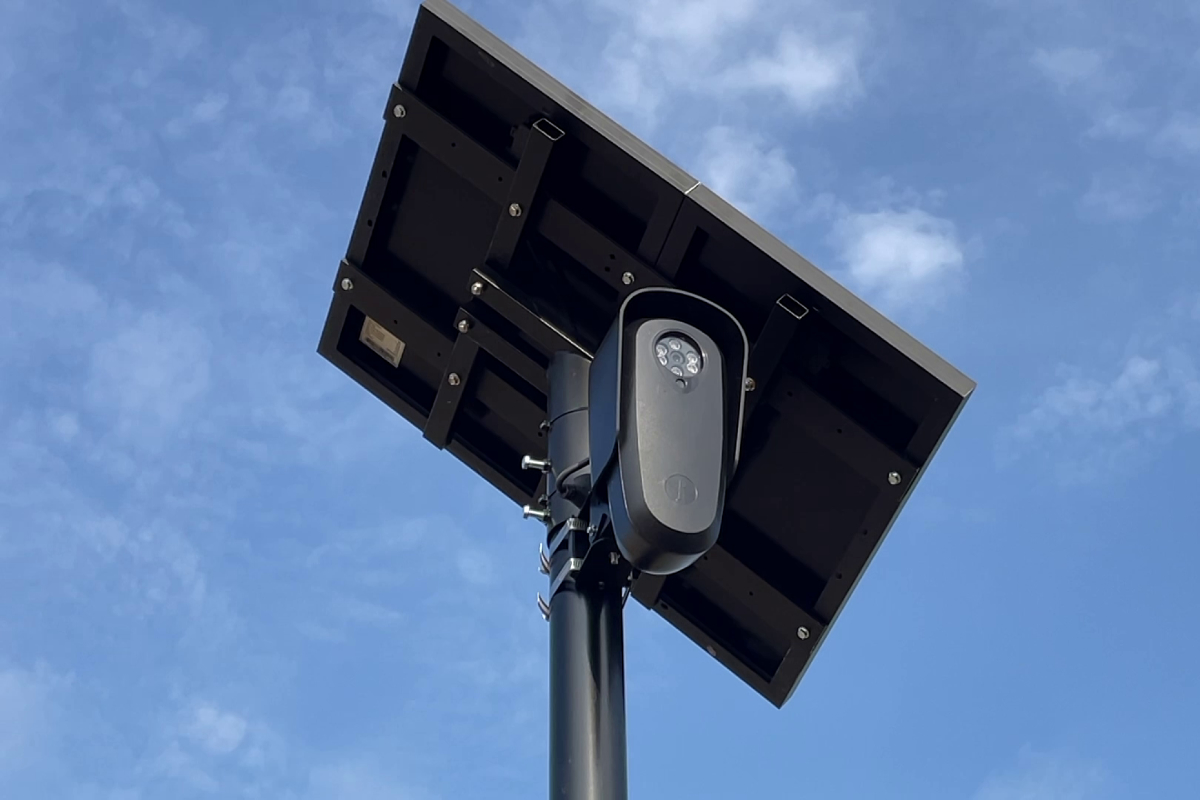
Most ALPRs are small, solar-powered units mounted on poles along roadways, in parking lots, and at neighborhood entrances. They use infrared illumination to read plates at night and through poor weather.
Why You Should Be Concerned
ALPRs invade your privacy and violate your civil liberties. Here's how:
Frequently Asked Questions
Similar Projects
Other initiatives working to protect privacy and track surveillance infrastructure.
Have I Been Flocked? →
See if your license plate has been searched in Flock's system, and concerning trends in Flock usage.
FlockHopper →
Get driving directions that avoid ALPR cameras and see how many are on your route.
ALPR Watch →
Find upcoming public meetings related to ALPR deployments.
Eyes On Flock →
Dashboard for tracking Flock usage patterns, total cameras, and top search reasons.
Suspected Locations →
Map of suspected ALPR locations based on 811 locate requests, FOIA, and other sources.
Plate Privacy →
The Institute for Justice's site analyzing ALPR usage patterns in the US.